

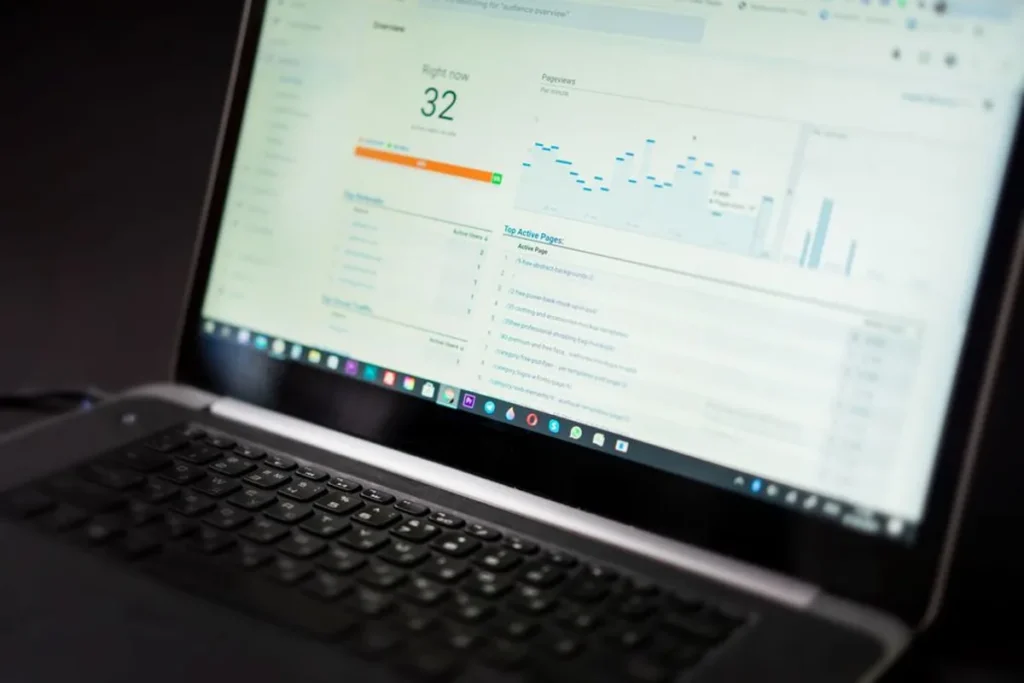
The best content in the world will not rank if Google cannot read it. This is the invisible half of search: technical SEO, the part we neglect because it never shows on the page. It will not lift a site on its own, but its absence caps everything else. A site that is slow, badly indexed or unreadable on a phone wastes the best content and the best keywords. This guide sets out the fundamentals of technical SEO, in the order they matter, without the jargon that puts people off.
Indexing: being readable before being ranked
Before it can rank a page, Google has to find it, crawl it and understand it. A page that is not indexed does not exist for search, whatever it contains. The foundations of indexing are simple: an up-to-date sitemap listing the pages that matter, a robots file that does not block anything by mistake, internal links that lead to every page, and canonical tags that stop Google hesitating between duplicate versions.
That is the first place to look when a piece of content does not show up: not whether it is good, but whether it is indexed at all. The answer is often a surprise.

Speed and mobile: ranking signals in their own right
Google indexes sites from their mobile version and measures the loading experience through Core Web Vitals. Those indicators have become ranking signals, and the stake goes beyond search: according to Google research, 53% of mobile visitors abandon a page that takes more than three seconds to load (checked on 15 June 2026). A slow site therefore loses positions and visitors at the same time.
Speed is not a last-minute setting, it is a foundation. We go into it in depth in our guides on website optimisation and mobile-first good practice.
Structure: helping Google understand
Once the page is readable and fast, its structure helps the engine grasp what it means. A clear heading hierarchy, clean descriptive URLs, internal links that connect content on the same subject: all of it tells Google what the site is about and which pages count. Structured data extends that work by making content eligible for rich results, a subject we cover in our dedicated guide to structured data.
The brief before the brief. Before commissioning SEO articles, have someone check that your site is technically sound. Producing content on broken foundations is filling a leaking bucket. A serious provider audits the technical side before selling you editorial volume.
Technical SEO and on-page SEO
The two are often confused. Technical SEO is about the ability of the site to be crawled, indexed and served quickly: it is the infrastructure. On-page SEO is about optimising each page for its query: headings, content, tags. Both are needed and they complement each other. Our guide to on-page SEO covers the second half of the work.
FAQ: technical SEO
What is technical SEO? Everything that lets Google discover, crawl, understand and quickly serve your pages: indexing, speed, mobile, structure, structured data. It is the infrastructure of search visibility.
Why does my content not rank? Often because it is not properly indexed, because the site is too slow, or because its structure blurs the meaning for Google. The first check is indexing, not the quality of the text.
Does speed matter for search? Yes. Core Web Vitals are ranking signals, and a slow site also loses visitors: 53% of mobile users give up beyond three seconds, according to Google (checked on 15 June 2026).
Technical SEO or content, which comes first? The technical side, because it caps everything else. Producing content on a site that is badly indexed or too slow wastes the editorial effort.
Do I need a regular technical audit? Yes. An update, a new plugin or a redesign can break indexing or slow the site down. Technical SEO is watched over, it is not set once and forgotten.
Before you ask for a quote
Technical SEO will not rank a site on its own, but its absence stops everything else from working. Get indexing, speed, mobile and structure in order before investing in content. Foundations first, volume second.
The first step is a technical audit that shows what is genuinely holding your search visibility back, followed by a fix plan ordered by impact.